The Pico Powerhouse
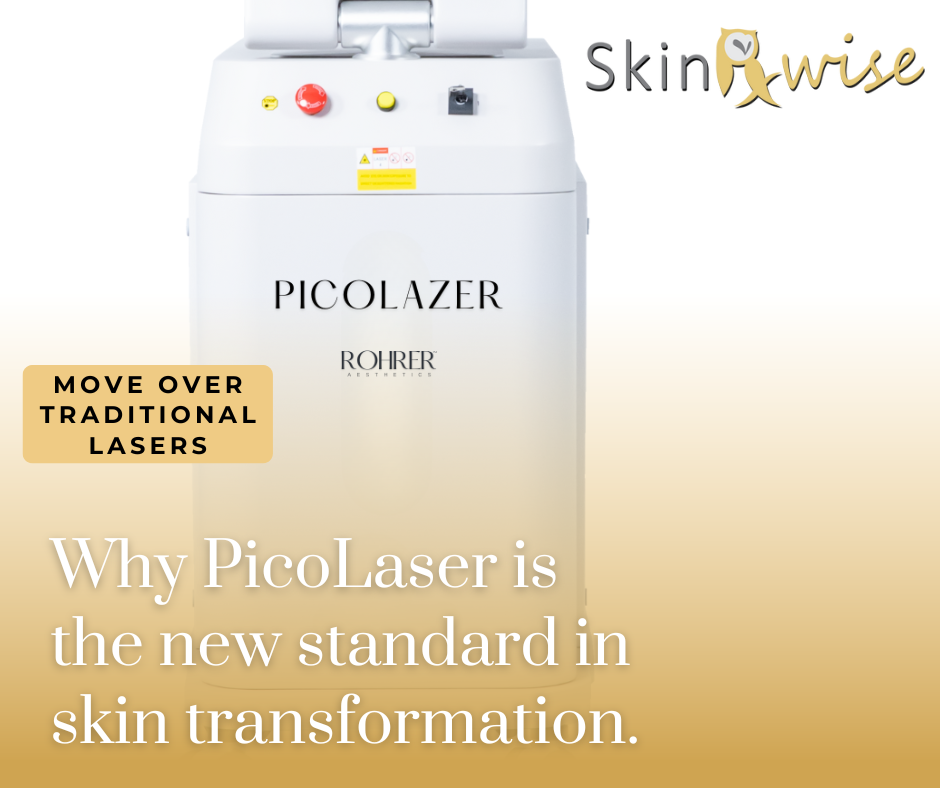
Why PicoLaser is a game-changer for our Skin of Color community. No more "laser fear."
Pressure Over Heat
The "Pico" in Pico laser stands for picosecond, which is one-trillionth of a second. That speed is the "magic" of PicoLaser technology.
Most traditional lasers use photothermal energy—they heat up the target to break it down. Pico lasers are non-thermal lasers which use photoacoustic energy. By moving so fast, the heat doesn't have time to transfer to the surrounding healthy tissue. This significantly reduces the risk of burns and post-laser hyperpigmentation, especially in patients with skin of color.
Why PicoLaser is the "Gold Standard" for SkinWise Rx:
In the past, most lasers were "color blind" and would attack the melanin in the skin surface rather than the pigment deeper down. Because Pico lasers avoid high heat, they are arguably the safest and most effective way to treat hyperpigmentation, melasma, and sun damage in deeper skin tones.
“Pico lasers are non-thermal lasers which use photoacoustic energy. ”
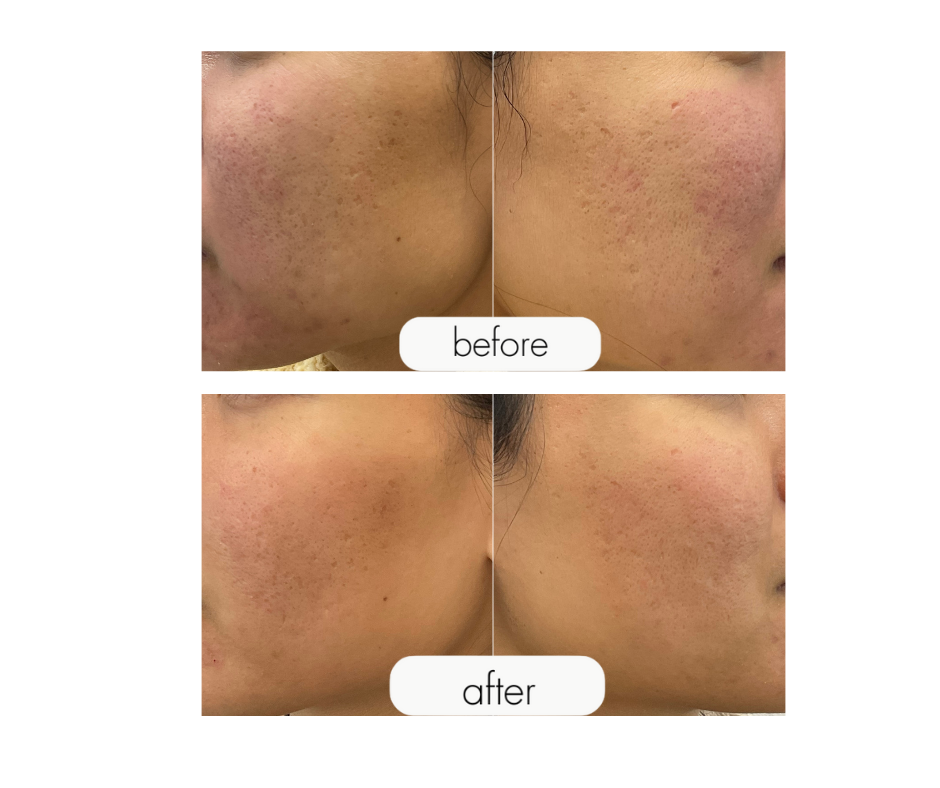
Atrophic (pitted) acne scars treated with PicoLaser.
PicoLaser is revolutionary for treating Acne Scarring
PicoLaser’s Lens Focus Arrays create Laser-Induced Optical Breakdowns (LIOBs) in the dermis without breaking the surface. This, in effect, creates microscopic "explosions" or vacuoles (tiny bubbles) beneath the skin's surface without breaking the top layer (the epidermis).
These bubbles create a "biological signaling" event. The body perceives these pressure-induced gaps as injuries and rushes to fill them with brand-new collagen and elastin.
Traditional lasers burn "channels" through the skin, unlike PicoLaser which creates change from the inside out, leaving the surface of the skin completely intact.
Think of "Subcision" without the Needle
For patients with atrophic scars, the challenge is often the fibrous bands of scar tissue that pull the skin down.
The photoacoustic shockwaves produced by the PicoLaser work a lot like surgical subcision. The intense pressure can help "snap" or release tethered fibrous strands that cause the skin to look indented.
This leads to a gradual "lifting" of the scar floor, resulting in a smoother, more level skin surface over time.
PicoLasers greatly reduce “downtime”
Since the top layer of the skin remains largely unaffected, the "social downtime" is incredibly low. Most patients experience redness for about 24–48 hours, unlike traditional resurfacing lasers that can leave skin peeling for a week to ten days.
“PicoLaser is the first truly viable, high-efficacy laser for treating atrophic scarring in Fitzpatrick IV-VI skin types.”
Safe for All Skin Tones
Historically, acne scar patients with deeper skin tones have been told to avoid lasers because the heat from traditional CO2 or Erbium lasers can cause permanent pigment loss or severe dark spots (Post-Inflammatory Hyperpigmentation).
PicoLaser is the first truly viable, high-efficacy laser for treating atrophic scarring in Fitzpatrick IV-VI skin types with minimal risk of triggering further hyperpigmentation.